September 5, 2026
Getting a vehicle stuck can turn an ordinary trip into a stressful situation. Mud, sand, snow, loose gravel, and roadside ditches can make it difficult or impossible for a vehicle to regain traction. Trying to force the vehicle out without the right equipment can sometimes make the situation worse. A professional winch-out service uses specialized recovery equipment to carefully pull a stuck vehicle back to a safer and more stable location. The process requires an assessment of the vehicle, surrounding terrain, and available recovery points before any pulling begins. Different situations may require different recovery techniques depending on the vehicle's size and position. Understanding how professional recovery works can help drivers know why calling for assistance is often a safer choice than attempting to solve the problem alone.
Assessing the Recovery Situation
The first step in a vehicle recovery is understanding exactly how and where the vehicle became stuck. A technician must consider the type of surface surrounding the vehicle, its position, and whether it can be safely reached with recovery equipment. Mud may create different challenges than snow, while a vehicle in a ditch may require a different approach than one stuck in loose gravel. The angle of the vehicle can also affect how the recovery is performed. Before beginning the process, the technician can identify appropriate points for attaching the recovery equipment. Truck services can provide the equipment and experience needed to evaluate difficult roadside situations. A careful assessment helps determine the safest direction for moving the vehicle. Planning the recovery before applying force can help reduce unnecessary risks and damage.
Using the Right Recovery Equipment
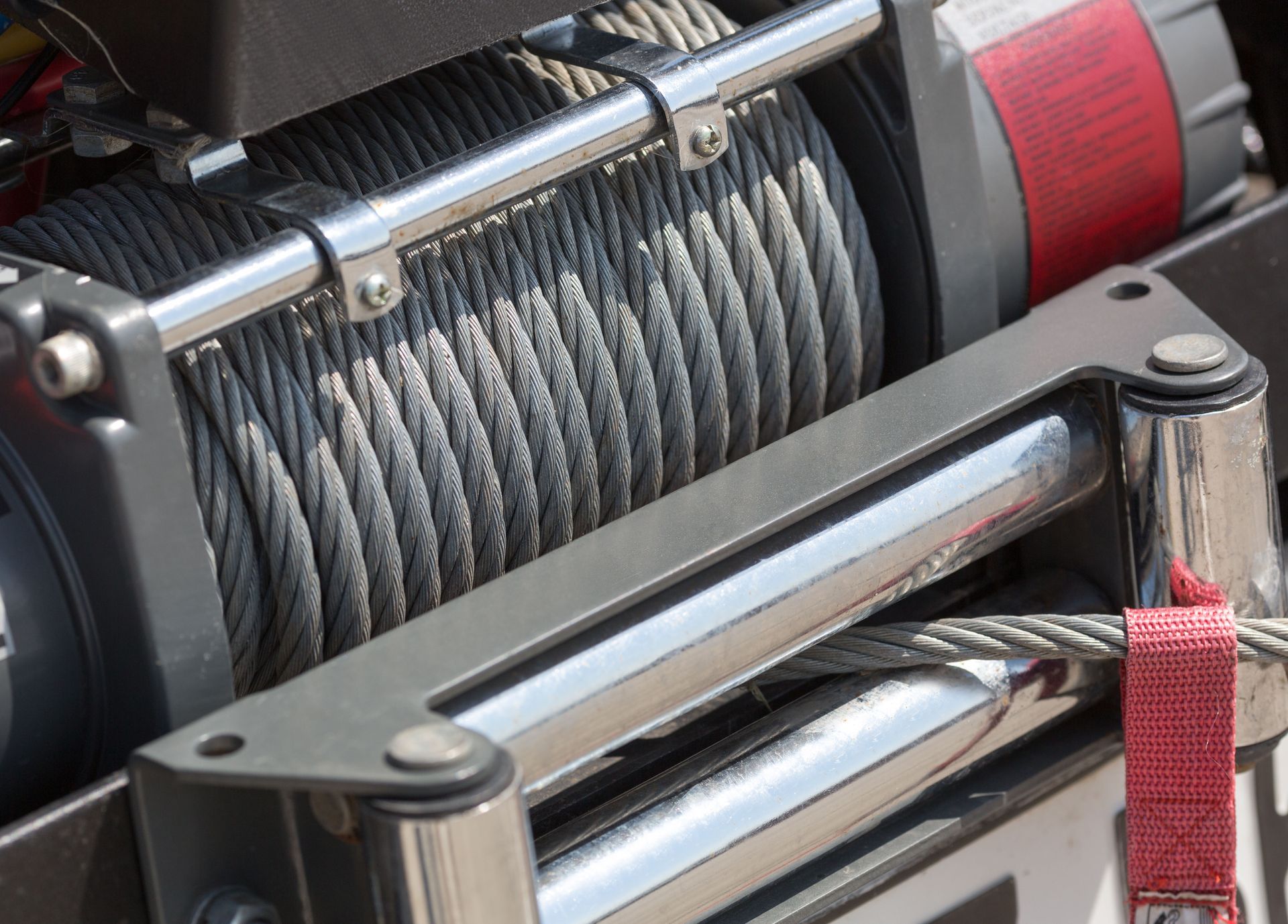
Winching requires equipment capable of applying controlled pulling force to a vehicle. The service vehicle may use a mounted winch, cable, hooks, straps, and other recovery components depending on the situation. Each piece of equipment must be used appropriately for the vehicle being recovered and the conditions at the scene. Improper attachments or unsuitable equipment can create safety concerns during the recovery process. Professional operators understand how to select and use recovery tools based on the circumstances. Truck services can assist when a vehicle requires more than a simple push or a quick tow. The goal is to apply force in a controlled manner while carefully monitoring the vehicle's movement. Using appropriate equipment is an important part of bringing a stuck vehicle back to stable ground.
Pulling the Vehicle With Control
A successful winch-out involves more than simply pulling a vehicle as hard as possible. Controlled movement is important because sudden force can create additional problems. The operator can gradually apply tension while observing how the vehicle responds. If the tires begin moving or the vehicle shifts into a better position, the recovery process can continue carefully. According to AAA, winching can provide the pulling force needed to recover vehicles stuck in mud, sand, snow, gravel, or a ditch when they are within 25 feet of a passable paved road. This type of recovery requires careful attention to the vehicle's location and the conditions surrounding it. A controlled approach helps move the vehicle toward a safer position without unnecessary force.
Avoiding Further Vehicle Damage
When a vehicle is stuck, drivers may be tempted to repeatedly accelerate in an attempt to escape. Spinning tires can sometimes cause the vehicle to sink deeper into mud, snow, or loose terrain. Excessive movement may also place additional stress on certain vehicle components. A professional recovery service can assess the situation before attempting to move the vehicle. Truck services use recovery methods designed to address the vehicle's position without relying on uncontrolled acceleration. The operator can also determine where recovery equipment can be attached safely. Careful positioning and controlled pulling can help reduce the chance of creating additional complications. Calling for assistance early may prevent the situation from becoming more difficult to resolve.
Recovering Vehicles From Mud
Mud can quickly reduce traction and make it difficult for tires to gain enough grip to move. Rain, flooding, soft ground, and unpaved areas can all create conditions where a vehicle becomes stuck. The deeper the tires sink, the more difficult it may become to drive the vehicle out. A winch can provide an external pulling force when the tires alone cannot generate enough traction. Before beginning the recovery, the technician can evaluate how deeply the vehicle is embedded and which direction offers the safest route out. Truck services can bring the necessary equipment to assist with difficult recoveries involving larger or heavier vehicles. The vehicle can then be pulled gradually toward a more stable surface. Professional assistance can help avoid repeated attempts that may cause the vehicle to become even more deeply stuck.
Handling Ditches and Uneven Terrain
A roadside ditch can create a more complicated recovery situation because the vehicle may be positioned at an angle. The ground may also be soft, uneven, or unstable around the vehicle. Attempting to drive out without assistance could cause the vehicle to shift further or become more difficult to recover. A professional operator can evaluate the terrain and determine the safest recovery direction. The winching equipment can then be positioned to provide controlled pulling force. Truck services may be especially useful when the vehicle's weight or position makes ordinary towing impractical. The recovery process can be adjusted as the vehicle moves toward level and stable ground. Careful handling is important when recovering a vehicle from an uneven location.
Responding to Unexpected Weather
Snow, heavy rain, and other weather conditions can quickly change driving conditions. A vehicle that normally handles a road or driveway without difficulty may lose traction when the surface becomes slippery or unstable. Poor weather can also make roadside recovery more challenging for drivers who are unprepared. Professional operators have the equipment needed to respond to a variety of recovery situations. When conditions allow for a safe recovery, the operator can assess the scene and determine the appropriate method. Truck services can provide assistance when weather-related conditions leave a vehicle unable to move. The recovery process may involve pulling the vehicle back onto a stable roadway or another accessible area. Prompt professional assistance can help drivers avoid remaining stranded longer than necessary.
Protecting Drivers and Passengers
Safety should remain a priority whenever a vehicle becomes stuck. Drivers should avoid placing themselves in dangerous positions around recovery cables, moving vehicles, or unstable terrain. The recovery process may require passengers and bystanders to remain at a safe distance while equipment is in use. A professional operator can manage the equipment and communicate what needs to happen during the recovery. Truck services can help drivers avoid attempting complex recovery methods without the appropriate tools or training. Once the vehicle has been moved to a safer location, the driver can determine whether it is ready to continue traveling. In some situations, additional towing or mechanical assistance may be needed. Professional support can provide a safer way to manage an unexpected roadside problem.
Reducing Delays and Stress
Being stranded can disrupt travel plans, work schedules, deliveries, and other important responsibilities. The longer a vehicle remains stuck, the more stressful the situation may become. Professional recovery assistance can provide a direct solution when a vehicle cannot regain traction on its own. The operator can arrive with equipment designed to handle roadside recovery and evaluate the situation. Truck services can help drivers get moving again without relying on improvised solutions. A proper recovery may also save time compared with repeatedly attempting to drive the vehicle out. Once the vehicle reaches stable ground, the driver can assess whether any additional assistance is needed.
A stuck vehicle can happen when drivers least expect it, but the right recovery approach can make a significant difference. Winch-out services provide controlled pulling power when tires cannot regain enough traction to move independently. Professional operators can assess the situation, select appropriate equipment, and carefully guide the vehicle toward stable ground. This approach can help reduce the risks associated with repeated acceleration or improvised recovery attempts. Penn Service Inc is ready to provide dependable assistance when difficult conditions leave your vehicle unable to move. Acting quickly and relying on professional support can help make the recovery process safer and more efficient.
Need dependable truck services for a stuck vehicle? Contact Penn Service Inc today for professional winch-out assistance and reliable recovery solutions when you need help getting back on the road.