November 4, 2026
Owner-operators depend on reliable equipment to keep deliveries on schedule, maintain customer relationships, and protect their earnings. When a truck or trailer develops a mechanical problem, even a short interruption can affect an entire workday. Repair expenses, missed appointments, rescheduling, and lost driving time can quickly add up. A proactive maintenance strategy helps owner-operators identify potential concerns early, plan service around their routes, and reduce the likelihood of unexpected breakdowns.
Preventing every mechanical issue is not realistic, especially when equipment operates under demanding conditions. However, consistent inspections, timely professional service, and thoughtful trip planning can help drivers manage risks and make informed decisions about their equipment. By treating maintenance as part of running a business, owner-operators can support dependable operations while making better use of their time and resources.
Understanding the Financial Impact of Downtime
Downtime costs more than the repair invoice. When a truck cannot operate, an owner-operator may lose revenue while continuing to face expenses such as insurance, loan payments, permits, and other business obligations. A delayed delivery can also affect future loads if a dispatcher or customer needs to make alternative arrangements.
According to IBISWorld, the fleet truck repair industry generated $18.1 billion in revenue by the close of 2025, reflecting the significant market for maintaining and repairing commercial vehicles. For owner-operators, professional repair services are an important part of keeping equipment dependable and addressing problems that could interrupt daily operations.
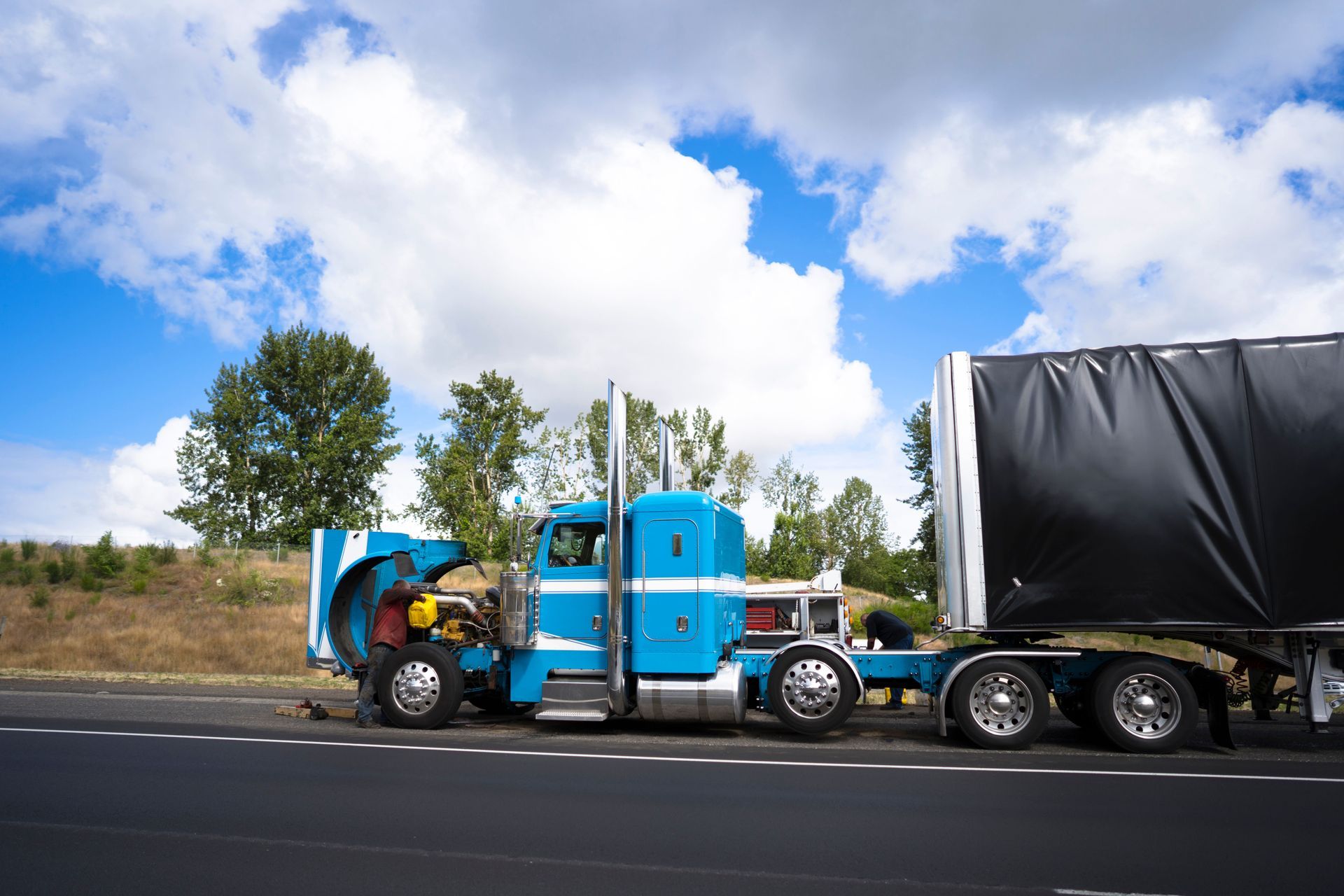
The full cost of a breakdown depends on the situation. A minor issue may require a brief service appointment, while a major component failure can leave a vehicle unavailable for much longer. The location of the breakdown, parts availability, repair complexity, and scheduling demands can all affect the length of the interruption.
Understanding these costs helps drivers evaluate maintenance decisions beyond the immediate price. Preventive service may require planned time and spending, but it can also help reduce the risk of more disruptive problems developing while a vehicle is on the road.
Scheduling Preventive Maintenance Around Routes
A regular maintenance schedule gives owner-operators a clearer picture of their equipment's condition. Service intervals should follow manufacturer recommendations and account for mileage, operating conditions, load demands, and the vehicle's maintenance history. A truck that regularly travels long distances or works in challenging conditions may need closer attention to certain components.
Planning appointments around delivery schedules can make maintenance easier to manage. When possible, drivers can arrange inspections during slower business periods, between scheduled loads, or when the vehicle is already expected to be off the road. Advance scheduling may also provide more flexibility when coordinating with a repair facility.
Consistent records are equally useful. Maintenance invoices, inspection reports, and notes about recurring symptoms can help technicians understand the vehicle's history. These records may also help owner-operators identify patterns, budget for upcoming service, and make more informed decisions about future operating costs.
Professional attention is especially important when a warning light appears, a handling change develops, or an unfamiliar noise persists. Prompt assessment can help clarify whether a vehicle needs immediate service before continuing its route. Delaying an evaluation may allow a manageable concern to become a larger disruption.
Monitoring Equipment Before and During Trips
Pre-trip and post-trip inspections help drivers notice changes before they become roadside problems. Follow applicable requirements and manufacturer guidance, paying attention to tires, lights, brakes, coupling equipment, air lines, and visible leaks or damage. A consistent process makes it easier to spot concerns and share useful details with a technician.
Trailer condition deserves equal attention. Checking tires, lighting, doors, latches, and visible structural components can reveal issues that need professional evaluation. If an inspection identifies a serious defect, follow safety requirements and obtain qualified assistance rather than operating equipment that may be unsafe.
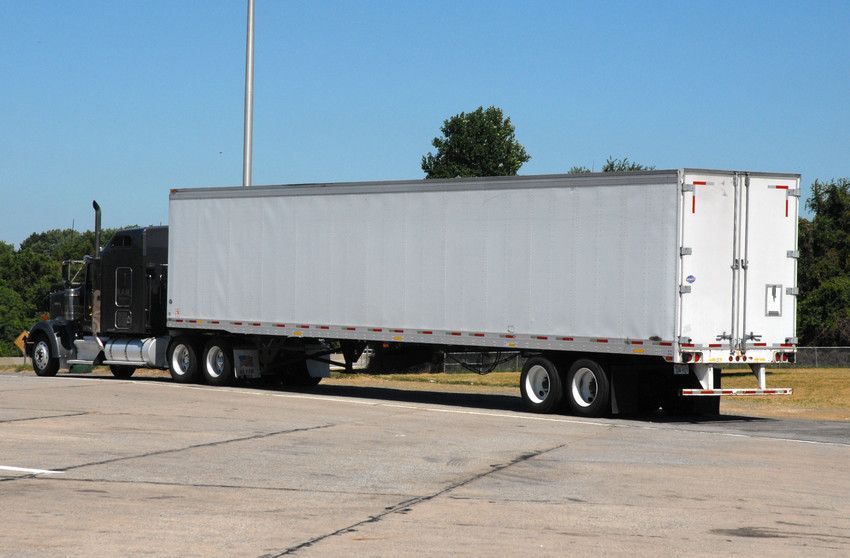
When a concern involves the trailer, timely semi trailer repairs can help prevent an operational issue from causing a longer interruption. Drivers should also note unusual vibration, braking behavior, warning indicators, or handling changes during a trip. When necessary, stop in a safe location and seek professional guidance.
Preparing for Seasonal and Operating Conditions
Weather can place additional demands on commercial vehicles. Cold temperatures may affect batteries, tire pressure, air systems, and starting performance, while heat can increase stress on tires and cooling systems. Rain, snow, road salt, and rough surfaces can also contribute to wear or corrosion.
Before seasonal changes, arrange a professional inspection based on the equipment's condition and planned routes. This can be especially useful before winter travel, long-distance trips, or busy periods. A technician can identify maintenance needs and explain which concerns should be addressed before the vehicle returns to service.
Seasonal planning should include the trailer. Reliable tires, functional lighting, secure doors, and properly operating braking and coupling systems all contribute to safe operation. If an inspection identifies a defect, prompt semi trailer repairs may help prevent a delay during a delivery or in an inconvenient location.
Coordinating Repairs and Parts Availability
Clear communication can reduce avoidable service delays. Describe symptoms, when they began, and whether they change with speed, load, braking, or weather. Share relevant maintenance records and explain delivery commitments that may affect scheduling. This helps the repair facility assess the situation and discuss realistic next steps.
Ask the provider to explain recommended work, estimated timing, parts availability, and factors that could change the estimate. Some repairs require components that are not immediately available; others reveal additional concerns during inspection. Understanding these possibilities helps owner-operators update dispatchers and customers early.
For semi trailer repairs, clarify which issues must be resolved before the trailer can safely return to service. A qualified provider can explain priorities based on inspection findings and applicable safety requirements. Written estimates and service records also help track costs and completed work.
Choosing a repair provider before an urgent situation arises can save time. Consider experience with commercial equipment, communication practices, service capabilities, and the ability to explain repair options. An established relationship may make it easier to arrange semi trailer repairs when schedules are tight.
Budgeting for Repairs and Replacement Decisions
A maintenance budget can make equipment expenses more manageable. Review past invoices, service intervals, tire expenses, and recurring concerns to estimate future costs. Setting aside funds may reduce pressure when repairs are needed, though no reserve can cover every possible breakdown.
The lowest estimate is not always the least expensive choice over time. Compare the scope of work, specified parts, warranty terms, expected completion time, and the provider's explanation. A clear estimate helps owner-operators compare options without overlooking details that may affect reliability or future costs.
Repeated failures may justify discussing the equipment's condition and expected service life with a technician. Depending on the findings, the right financial decision could involve repairing a component, planning further maintenance, or evaluating replacement options. Semi trailer repairs should be weighed against overall operating costs, safety, and the trailer's role in the business.
Reducing downtime requires consistent attention rather than a single maintenance appointment. Regular trailer repairs, inspections, clear records, realistic route planning, and prompt responses to warning signs can help address concerns before they disrupt deliveries.
A practical plan accounts for the truck, trailer, schedule, and budget, including planned semi trailer repairs. When trailer repairs or other service becomes necessary, selecting a qualified provider and discussing timing early can reduce uncertainty. No strategy prevents every breakdown, but preparation can make interruptions easier to manage. These steps support safer decisions and help preserve customer confidence.
Penn Service Inc can help owner-operators address equipment needs and arrange semi trailer repairs for commercial vehicles and trailers. Contact Penn Service Inc to discuss your service needs and schedule support for your equipment.