October 24, 2026
Operating a commercial semi-truck requires managing complex mechanical systems engineered to endure extreme workloads, heavy cargo payloads, and endless highway hours. The heavy-duty diesel engine acts as the primary power center for commercial haulers, driving essential systems while maintaining high torque output across demanding highway gradients. However, continuous operation subjects internal engine components, high-pressure fuel injectors, electronic control modules, and emissions filtration assemblies to relentless thermal and mechanical friction. When a commercial engine begins displaying subtle performance anomalies—such as power loss, erratic idling, abnormal exhaust smoke, or active dash warnings—ignoring these initial diagnostic signals leads directly to unexpected highway breakdowns, severe internal component damage, expensive towing fees, and catastrophic financial losses from delayed freight deliveries.
Modern commercial diesel engines rely on intricate electronic control networks, digital sensor arrays, and computerized monitoring systems to optimize combustion efficiency, control emissions output, and preserve internal mechanical balance. Modern diagnostic troubleshooting goes far beyond basic visual inspections or guesswork, utilizing specialized computer software interfaces to read real-time operational data, fault codes, and sensor parameters directly from electronic engine control units. Connecting with certified commercial repair specialists at the earliest indication of engine distress prevents minor sensor glitches or fuel delivery issues from escalating into major engine overhauls. Exploring the primary warning signs that indicate an urgent need for professional diesel diagnostics reveals how computer troubleshooting, specialized mechanical evaluations, preventative maintenance, and expert technical service keep commercial fleets moving safely and efficiently across national freight corridors.
Monitoring Active Dash Warnings and Diagnostic Fault Codes
Monitoring dashboard check engine lights, stop engine indicators, and active fault codes provides the most immediate warning of internal mechanical or electrical distress. Modern commercial trucks feature sophisticated electronic control units that continuously analyze sensor data from turbochargers, exhaust gas recirculation valves, diesel particulate filters, and fuel rails. When operational parameters stray outside safe factory thresholds, internal computers log specific fault codes and illuminate active warning lights across driver instrument panels.
An active check engine light should never be dismissed as a minor electrical glitch, as subtle sensor failures can rapidly trigger automatic engine derating protocols. Derating intentionally restricts engine horsepower and road speed to protect internal components from catastrophic thermal damage. Scheduling immediate computer diagnostic evaluations allows technicians to hook up specialized scanner tools, clear inactive fault codes, and pinpoint root technical causes before active derating disrupts delivery schedules. Partnering with a trusted local semi trailer repair center ensures that both power units and trailing equipment receive comprehensive diagnostic scans, preserving complete fleet operational safety.
Identifying Sudden Loss of Engine Power and Poor Acceleration
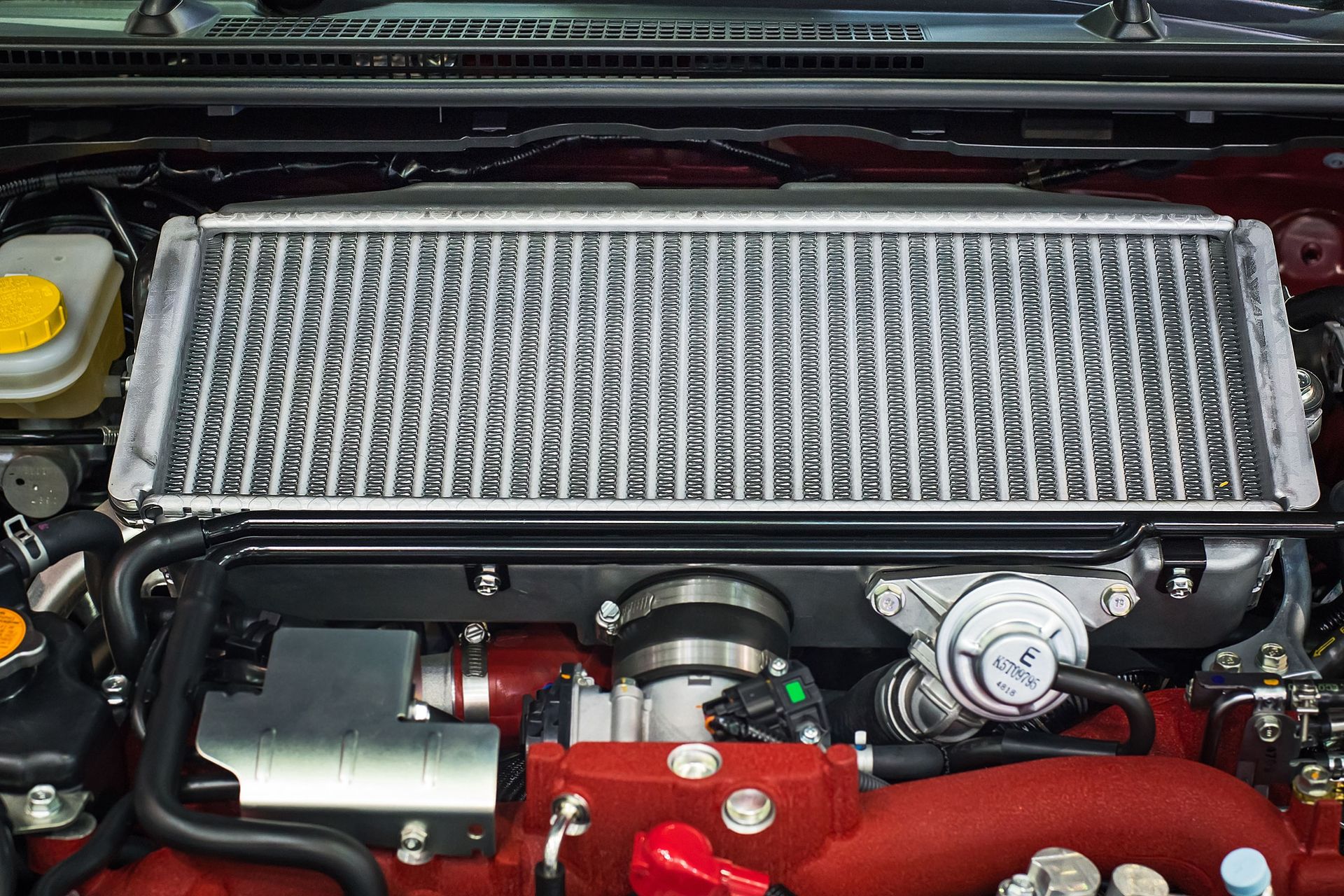
Identifying noticeable drops in engine horsepower, sluggish throttle response, or difficulty maintaining highway speeds under load signals severe underlying mechanical or air intake issues. Commercial diesel engines require precise ratios of pressurized air and atomized fuel to achieve complete combustion within cylinder chambers. When turbochargers fail to deliver proper boost pressure, charge air coolers leak, or fuel injectors become clogged with deposits, combustion efficiency drops sharply.
Power loss forces drivers to downshift continuously, elevating operating temperatures and increasing fuel consumption across every haul. Furthermore, failing fuel pumps, restricted fuel filters, or failing exhaust gas recirculation valves can starve engines of required energy output. Enlisting certified technicians to perform comprehensive engine diagnostics pinpoints pressure drops across turbocharger piping, fuel rails, and air intake manifolds, restoring peak towing power and protecting internal cylinder components from excessive thermal stress.
Analyzing Excessive Exhaust Smoke and Changing Emissions Colors
Analyzing the density and color of exhaust emissions provides vital visual clues regarding internal combustion health and fuel system performance. Healthy modern diesel engines equipped with advanced aftertreatment systems emit virtually invisible exhaust gases during normal operation. The sudden appearance of dense black, white, or blue exhaust smoke indicates active mechanical malfunction within fuel injection, oil sealing, or coolant delivery systems.
Black smoke typically signals an over-rich fuel mixture caused by dripping fuel injectors, restricted air filters, or failing turbochargers that prevent complete fuel combustion. White smoke often indicates unburned raw diesel fuel vaporizing within hot exhaust manifolds, unaddressed timing errors, or internal coolant leaks caused by blown head gaskets. Blue smoke points directly to burning engine oil escaping past worn piston rings, damaged valve stem seals, or failing turbocharger shaft bearings. Contracting a full-service local semi trailer repair facility allows technicians to analyze exhaust smoke patterns, test cylinder compression, and inspect aftertreatment assemblies, eliminating hazardous emissions and restoring engine balance.
Recognizing Unusual Engine Noises and Physical Vibration Shifts
Recognizing unfamiliar auditory signals—such as sharp metallic knocking, loud squealing, deep clanking, or harsh ticking sounds—alerts drivers to internal mechanical wear or severe combustion imbalance. Diesel engines naturally produce distinct operational sounds, but sharp changes in acoustic tone indicate mounting mechanical friction or component looseness. Knocking noises often point toward failing fuel injectors spraying uneven fuel patterns or worn rod bearings creating excessive clearance along crankshaft journals.
Similarly, loud whistling or hissing sounds under acceleration typically indicate cracked turbocharger piping, leaking intercoolers, or failing exhaust manifold gaskets. Physical vibrations felt through steering wheels, floorboards, or shift levers can stem from misfiring cylinders, damaged engine mounts, or unbalanced harmonic balancers. Utilizing an experienced local semi trailer repair team for diagnostic evaluations ensures that technicians isolate internal engine noises from drivetrain or trailer coupling issues, resolving mechanical stress before internal components suffer catastrophic failure.
Tracking Engine Mileage Accumulation and Regional Fleet Demands
Tracking annual mileage accumulation highlights the critical necessity of scheduling routine computer diagnostic scans alongside standard mechanical tune-ups. Commercial long-haul trucks endure continuous operational demands across changing regional topographies, extreme climate variations, and heavy cargo loads that accelerate component wear. Understanding average operational metrics helps fleet managers establish proactive diagnostic schedules that prevent unexpected breakdowns far from home terminals.
Analyzing industry mileage standards emphasizes how rapidly engine hours and physical wear accumulate across active commercial fleets. According to Slashgear, a single semi-truck drives an average of 45,000 miles annually. Applying rigorous diagnostic scans, sensor evaluations, and oil sampling protocols to heavy-duty trucks operating under such heavy mileage schedules ensures long-term engine durability, minimizes unexpected roadside downtime, and preserves commercial asset valuation season after season.
Maintaining a reliable, high-performing commercial diesel engine demands vigilant driver awareness, rapid response to active fault codes, and routine computer-assisted diagnostic troubleshooting. By monitoring active dashboard warnings, investigating sudden power losses, analyzing exhaust smoke colors, and listening for unusual mechanical knockings, fleet operators prevent minor component failures from escalating into catastrophic engine breakdowns. Proactive diagnostic evaluations optimize combustion efficiency, preserve aftertreatment systems, and protect internal engine components against excessive wear caused by heavy annual mileage accumulation. Prioritizing expert diagnostic interventions lowers long-term operational expenses, protects valuable freight payloads, and ensures total compliance with highway safety standards.
At Penn Service Inc, we are deeply committed to keeping your commercial fleet moving safely, optimizing heavy-duty diesel performance, and delivering superior mechanical solutions through master craftsmanship, advanced computerized diagnostic technology, and dedicated customer care. Our team of certified commercial technicians brings extensive technical expertise, state-of-the-art electronic scan tools, and meticulous attention to detail to every engine diagnostic evaluation, fuel injector service, turbocharger repair, aftertreatment maintenance, and local semi trailer repair project we execute across our community. We take immense pride in evaluating your unique truck specifications, analyzing active fault codes, inspecting internal engine components, and delivering precise mechanical repairs that bring total power, exceptional fuel efficiency, and long-term reliability to your commercial operations. Contact us today to schedule your comprehensive diesel diagnostic consultation and discover the true value of working with dedicated local commercial vehicle specialists.