Professional semi-trailer repair keeps your fleet safe and road-ready. Learn how maintenance prevents breakdowns, reduces downtime, and improves safety.
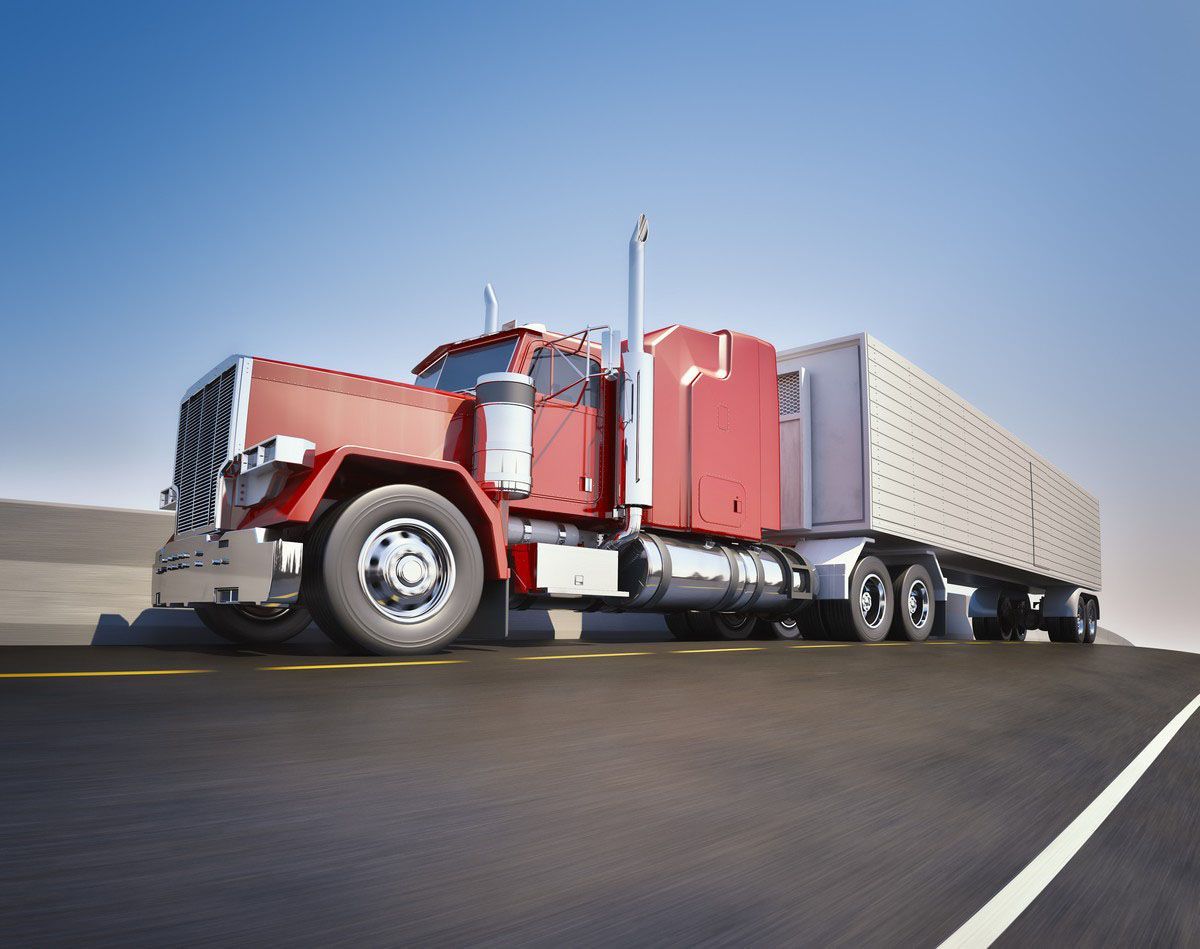
When a semi-truck breaks down, getting it safely off the road requires more than an ordinary tow truck. Commercial vehicles present unique challenges because of their weight, dimensions, and complex mechanical systems. Without appropriate equipment and experienced operators, recovering these vehicles can create additional hazards for drivers, recovery personnel, and surrounding traffic. At Penn Service Inc, we understand the importance of professional heavy-duty towing and vehicle recovery. Whether a truck experiences mechanical failure, becomes stuck, or requires transportation to a repair facility, specialized equipment helps make the process safer and more efficient. Drivers searching for semi towing near me should understand why the right equipment makes such a difference. Understanding the Challenges of Semi-Truck Towing Managing Heavy Vehicle Weight Semi-trucks can weigh tens of thousands of pounds, particularly when transporting loaded trailers. Their substantial weight creates challenges that standard passenger vehicle towing equipment cannot safely accommodate. Heavy-duty recovery equipment must be rated for the vehicle's actual weight and configuration. Operators must consider axle loads, trailer attachments, and cargo distribution before selecting an appropriate recovery method. For drivers searching for semi towing near me, choosing a company with equipment suited to commercial vehicles helps reduce the risk of additional damage. Professional operators evaluate these factors before beginning the recovery process, allowing them to determine how the vehicle should be lifted, secured, and transported. Accommodating Large Vehicle Dimensions The length, height, and width of commercial trucks introduce additional complications during recovery. Narrow roads, crowded intersections, and limited shoulder space can make positioning towing equipment particularly challenging. Professional towing operators assess available clearance, turning requirements, and surrounding obstacles before moving a disabled vehicle. These considerations become especially important when a tractor remains attached to a trailer. Specialized towing equipment allows operators to accommodate different vehicle configurations while maintaining appropriate control. Careful planning also helps minimize unnecessary traffic disruptions and protects nearby vehicles and roadside structures. Protecting Complex Mechanical Systems Semi-trucks contain sophisticated drivetrains, braking systems, suspensions, and electronic components. Improper towing procedures can place unnecessary stress on these systems and potentially create expensive mechanical problems. Professional operators consider the manufacturer's towing requirements and the condition of the disabled truck. Depending on the vehicle, certain drivetrain components may require specific preparation before towing. This technical knowledge is an important reason to rely on experienced commercial towing professionals. Appropriate handling helps protect the truck throughout recovery and transportation, particularly when significant mechanical damage has already occurred. Navigating Challenging Road Conditions Roadside recovery becomes more complicated when trucks break down on steep grades, narrow highways, or uneven surfaces. Weather conditions, poor visibility, and heavy traffic can further increase operational risks. A professional recovery team evaluates the surrounding environment before positioning equipment. Operators must account for vehicle stability, available working space, and potential hazards created by passing traffic. When drivers need semi towing near me during difficult roadside conditions, access to properly equipped professionals becomes especially valuable. Specialized recovery systems help operators manage challenging situations without relying on equipment intended for smaller vehicles. Exploring Specialized Semi-Truck Towing Equipment Using Heavy-Duty Tow Trucks Heavy-duty tow trucks are designed to accommodate the substantial demands of commercial vehicle recovery. Their reinforced structures, powerful lifting mechanisms, and specialized towing attachments allow qualified operators to handle vehicles that exceed the capabilities of conventional tow trucks. These trucks may feature integrated wheel lifts, underlifts, or other systems designed for particular commercial vehicle configurations. Selecting the appropriate equipment depends on the truck's weight, condition, and location. At Penn Service Inc, we recognize that commercial vehicle recovery requires careful planning and suitable equipment. Drivers searching for semi towing near me should prioritize providers capable of evaluating their specific towing requirements rather than assuming every tow truck can handle the job. Using Hydraulic Lifting Systems Hydraulic lifting systems provide controlled movement when handling heavy commercial vehicles. These mechanisms allow trained operators to raise and position substantial loads while maintaining careful control throughout the process. Proper lifting procedures are especially important when a disabled truck has uneven weight distribution or damaged components. Operators must identify suitable lifting points and remain within the equipment's rated capacity. Hydraulic systems also support efficient positioning during complex recovery operations. Their controlled operation helps reduce unnecessary movement that could otherwise affect vehicle stability or damage sensitive components. Using Winches and Recovery Equipment Heavy-duty winches play an important role when commercial trucks become stuck in mud, snow, ditches, or other difficult locations. These systems provide controlled pulling force to assist with recovering disabled vehicles. Recovery operations require careful evaluation of vehicle weight, ground conditions, attachment points, and the direction of the pull. Professional operators also consider whether additional recovery equipment is necessary to stabilize the vehicle. For drivers searching for semi towing near me after an off-road incident, specialized winching equipment can be particularly important. Proper recovery planning helps limit additional damage while reducing unnecessary exposure to hazardous roadside conditions. Using Braking and Stability Systems Braking and stability technologies help towing vehicles maintain control while transporting heavy loads. These systems work alongside appropriate towing configurations, weight distribution, and professional operating procedures. Commercial towing equipment may incorporate advanced braking features and stability assistance designed to support safer transportation. However, electronic systems cannot replace proper vehicle preparation or responsible operation. Experienced towing professionals must also consider road conditions, stopping distances, and changes in vehicle handling. These factors influence how a recovered truck can be transported safely to its destination. Recognizing the Benefits of Professional Semi-Truck Towing Improving Roadside Safety Safety is one of the most important reasons to use specialized towing equipment. Disabled commercial trucks can create significant roadside hazards, especially when stopped near fast-moving traffic. Professional operators use appropriate equipment and established procedures to manage these situations. Their responsibilities include evaluating potential hazards, securing the disabled vehicle, and coordinating recovery activities. Motorists should remain clear of active recovery areas and follow applicable move-over requirements. When searching for semi towing near me, selecting an experienced provider helps ensure that safety remains central to the recovery process. Reducing Transportation Delays A disabled semi-truck can interrupt delivery schedules, affect business operations, and create unexpected expenses. Efficient recovery helps limit these disruptions by moving the vehicle toward inspection or repair. Specialized equipment allows operators to address commercial towing requirements without attempting to adapt unsuitable machinery. Proper preparation can also help prevent complications during loading and transportation. According to WifiTalents, an online tech resource, the average towing distance for stranded vehicles is 10 miles. Although individual commercial towing distances can vary considerably, this statistic illustrates why reliable transportation equipment matters even during relatively short recovery trips. Minimizing Additional Vehicle Damage Improper towing can cause damage beyond the original mechanical problem. Excessive strain on axles, suspension components, or drivetrain systems may increase repair costs and extend vehicle downtime. Professional towing operators select recovery methods based on the vehicle's condition and configuration. Proper attachment points, weight distribution, and securement procedures help protect valuable commercial equipment. Drivers searching for semi towing near me should consider the importance of these precautions. A carefully managed recovery can help preserve the vehicle's condition while allowing repair professionals to address the underlying breakdown. Supporting Reliable Commercial Operations Transportation businesses depend on their vehicles to maintain schedules and serve customers. Unexpected breakdowns can affect multiple deliveries, making dependable recovery assistance an important part of commercial vehicle support. Professional towing services help fleet managers coordinate vehicle transportation when mechanical problems interrupt operations. Clear communication about the truck's location, condition, and destination supports a more organized recovery experience. At Penn Service Inc, we understand how disruptive commercial vehicle problems can be. When you need semi towing near me , our goal is to help you address the situation through professional service and careful attention to your vehicle's needs. Contact Penn Service Inc to discuss your heavy-duty towing and roadside recovery requirements. Our team can help you determine the appropriate next steps for getting your commercial vehicle the assistance it needs.
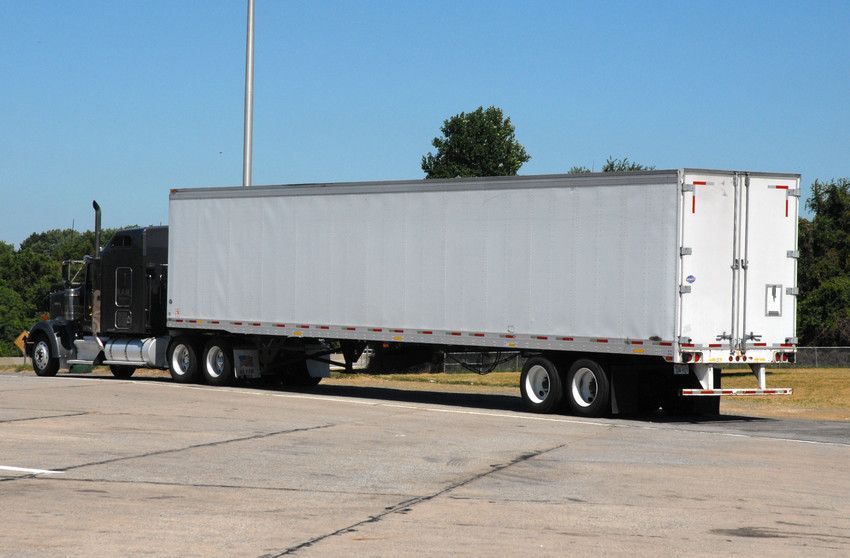
Learn how owner-operators can reduce downtime through preventive maintenance, timely semi trailer repairs, equipment inspections, and smarter budgeting.